Why I've decided to start writing more
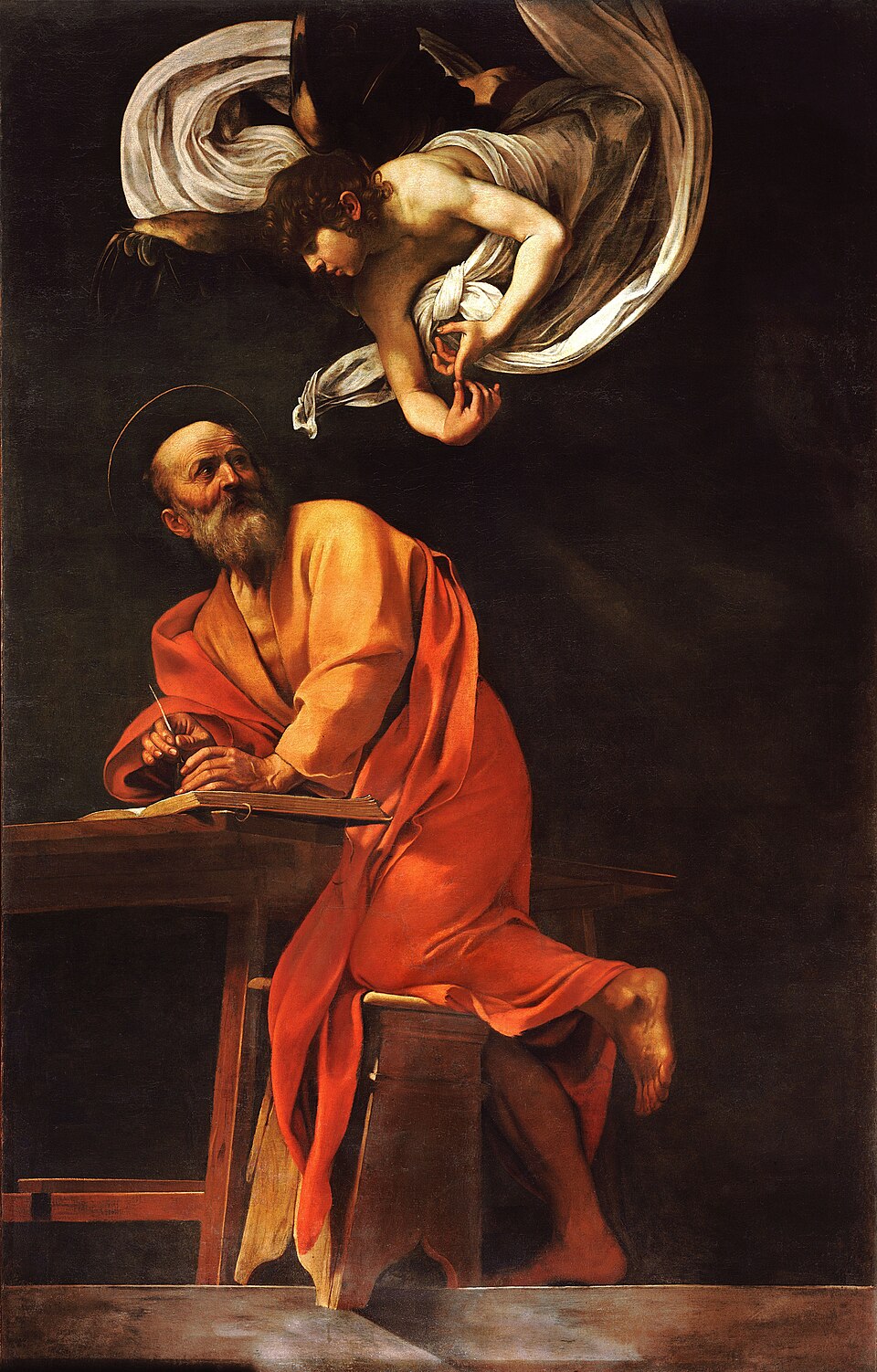
Since the ChatGPT moment in late 2022, I've started writing much less. It was an undramatic process. An email here, product brief there, a response to an investor that I would have once drafted carefully over twenty minutes but now paste into a prompt box and clean up in two. Each act of delegation felt like efficiency. The whole premise of my current work at Taxo is stripping unnecessary labour. So if I had a company to run and time was scarce, why wouldn't I use it?
That reasoning still makes sense on its face. But I have started to notice a pattern that bothers me. When I sit down to think through a hard problem, a recurring instinct is not to wrestle with it but to hand it to a model. Not just writing but actual reasoning. Strategy questions, product framing, even how to articulate something I care about. One of my first reflexes has become to outsource it. And the trouble with that reflex is simple. Writing is thinking. It is not a way of recording what you already know. It is the mechanism by which you come to know it. So if you outsource your writing, you are not just saving time on a clerical task. You are outsourcing the thinking itself.
That distinction matters more than it appears to. When you write something yourself, you are forced into choices. Which word. Which order. Which idea comes first and which follows and why. Each of those micro decisions is a site of cognitive work. You are constructing a sequence of logic that did not exist before you built it sentence by sentence. That process is where the insight lives. Not in the finished product but in the making of it. When you delegate that process, you get the product without the insight. You get the appearance of having thought without the actual thinking. The model produces something fluent and competent, often better than a first draft you would have written yourself. But it is a plausible simulation of your thinking, not the real thing. And over time, the gap between those two starts to matter.
The risk is atrophy. If you stop doing the cognitive work, you lose the capacity for it, not overnight but gradually, in the way that any unused ability fades. You stop reaching for the deep thought because the shallow one, the one the machine provides, is always available and always faster. You begin to mistake its output for your own understanding. And because the output looks good, because it reads well and holds together, there is no obvious signal that anything has been lost. But something has. The muscle that turns confusion into clarity, the one that only strengthens when you force yourself to sit with a blank page and build something from nothing, goes quiet.
This is why I have decided to write more. Not to build an audience or establish authority or produce content. I want to write because I want to think. I still use AI tools and I will probably use them later today. But the first draft is mine now. The thinking is mine. I sit with the blank page and do the work of figuring out what I actually believe before I let any tool near it. We are entering a period where intelligence itself is being commoditised. Anyone can generate a competent answer, a sharp analysis, a well structured argument, without ever having to produce the underlying thought. In that world, the scarcest thing is not information or even insight. It is the ability to think for yourself, slowly and rigorously, from first principles.